Key takeaway
In California’s wildland-urban interface (WUI) and designated Fire Hazard Severity Zones, building code Chapter 7A (and Residential Code R337) generally requires a Class A roof assembly, ember- and flame-resistant vents and other ignition-resistant details for new construction and many reroofs. Check CAL FIRE hazard maps and your local building department to confirm requirements for your address.
Wildfire has reshaped how California builds. After decades of destructive fires — from the 1991 Oakland Hills fire to the 2017 North Bay fires — the state adopted ignition-resistant construction standards for homes in high-risk areas. Your roof is at the center of those rules, because it is the largest surface exposed to wind-blown embers.
This guide explains what the WUI code means for Bay Area roofs in plain English. It is general information, not legal advice; your local building department has the final word.
What is the wildland-urban interface?
The WUI is where homes meet or mingle with undeveloped wildland vegetation. In the Bay Area, that includes much of the Oakland and Berkeley hills, Lamorinda, Marin, the Peninsula foothills, the Santa Cruz Mountains, and large parts of Sonoma and Napa counties.
CAL FIRE maps Fire Hazard Severity Zones (Moderate, High and Very High) for state and local responsibility areas, and local agencies may designate additional areas. Updated maps have expanded zones in many Bay Area communities.
Why embers are the biggest threat
Research and post-fire investigations show that many homes ignite from embers, not from the main fire front. Embers can travel long distances on high winds, land in debris-filled gutters and valleys, and enter attics through unprotected vents. Effective roofing protection therefore covers three things: the roof covering, the openings into the attic, and the debris that collects on and around the roof.
Chapter 7A roofing requirements, simplified
Class A roof assembly
Roofs in designated areas generally must be Class A — the highest fire rating — achieved by a tested combination of roof covering and underlayment. Metal, clay and concrete tile and many asphalt shingle systems qualify when installed as tested assemblies.
Gaps and openings
Profiles like barrel tile must have the open ends at eaves fire-stopped (bird stops) to keep embers out.
Valleys
Valley flashings typically require specific underlayment beneath to resist ember intrusion.
Vents
Attic and eave vents must resist ember and flame intrusion, typically through listed vents.
Gutters
Provisions to prevent debris accumulation, such as gutter covers, may be required or strongly recommended.
Does the WUI code apply when I reroof?
In many Bay Area jurisdictions, reroofing a significant portion of a home in a designated area triggers the requirement for a Class A roof. Rules vary on thresholds and on whether additional upgrades (such as vents) are required at the same time. We confirm your zone and local requirements during every estimate and design the scope accordingly.
Best roofing options for fire zones
| Option | Why it works | Considerations |
|---|---|---|
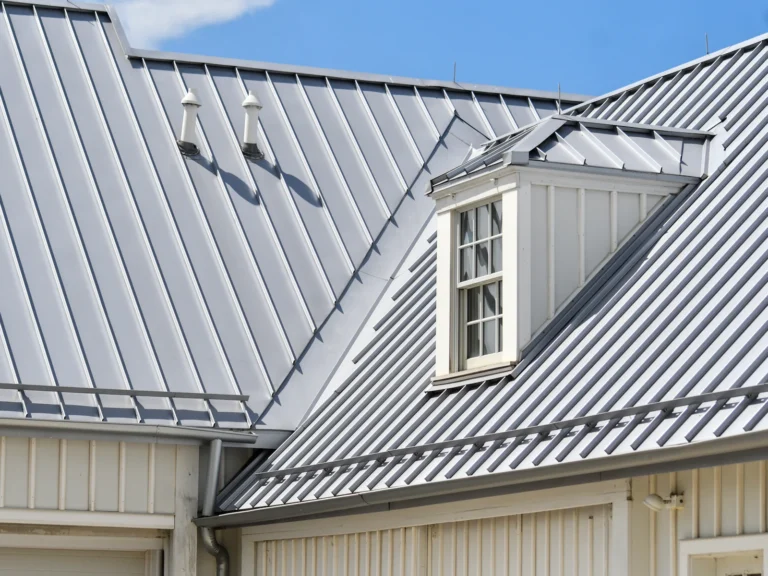
| Standing seam metal | Non-combustible, few gaps, lightweight | Higher upfront cost |
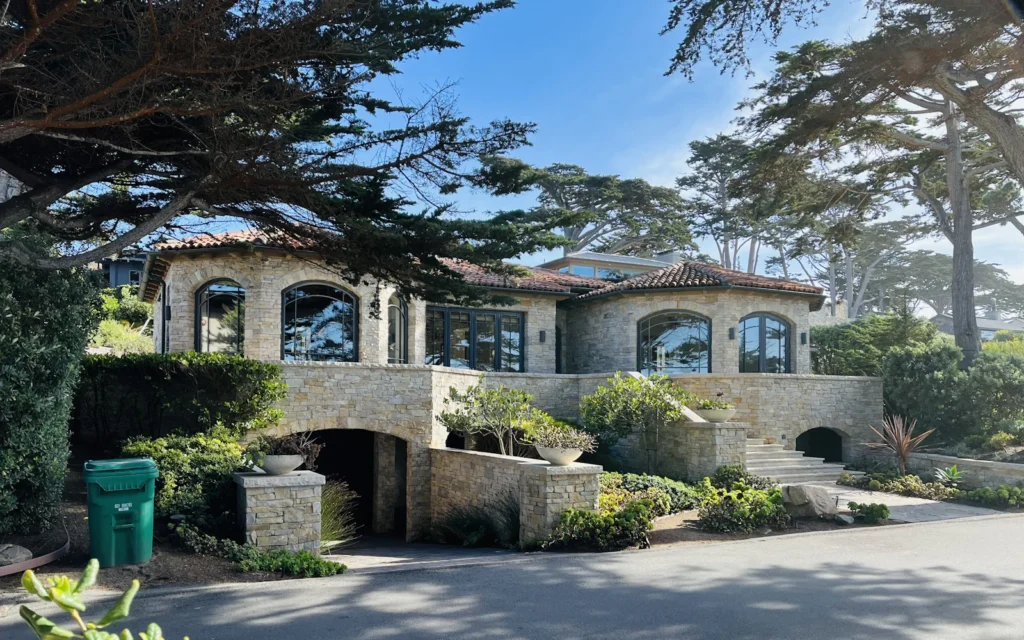
| Clay or concrete tile | Non-combustible covering, long life | Requires bird stops; heavy |
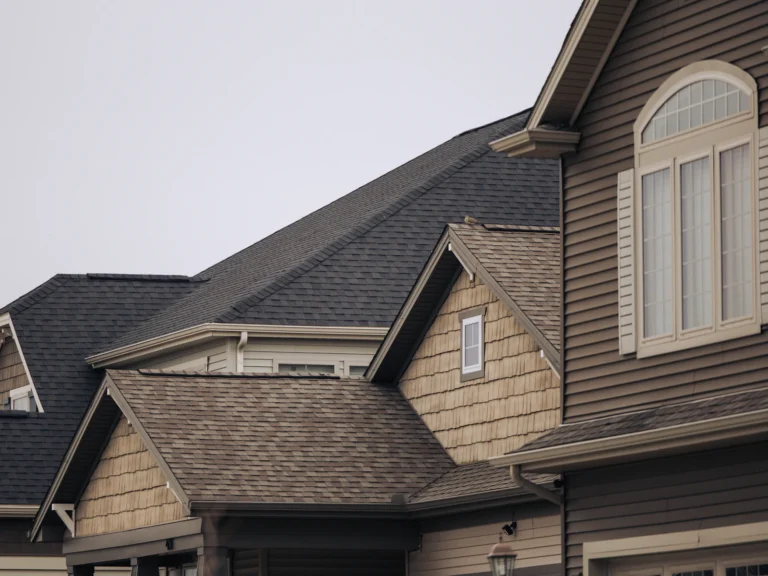
| Class A shingle assembly | Cost-effective, widely available | Must use specified underlayment |
| Synthetic shake | Shake look with Class A rated products | Verify specific product rating |
Beyond the roof: low-cost upgrades that matter
- Replace standard vents with ember-resistant listed vents
- Install non-combustible metal gutter guards
- Clear roofs and gutters of needles and leaves before fire season
- Remove branches overhanging the roof
- Create a non-combustible zone within five feet of the home
- Ask your insurer which mitigation measures they recognize
Learn more about our fire-resistant roofing and ember-resistant ventilation services.
Frequently asked questions
How do I know if my home is in a fire hazard zone?
Check CAL FIRE’s Fire Hazard Severity Zone viewer and confirm with your city or county building department. We also verify zones during estimates.
Is a Class A roof expensive?
Not necessarily. Many architectural shingle systems achieve Class A ratings as assemblies at little added cost. Metal and tile cost more but offer longer lifespans.
Can I keep my wood shake roof in a fire zone?
Existing roofs may remain, but reroofing generally requires a Class A assembly, which untreated wood shake does not meet. See wood shake alternatives.
Will a fire-resistant roof help my insurance?
Home hardening can help with insurability, and some carriers recognize mitigation measures, but results vary by insurer.
Live in a Bay Area fire zone?
Get a free wildfire roof assessment with Class A options, ember-resistant vent upgrades and a clear written estimate.